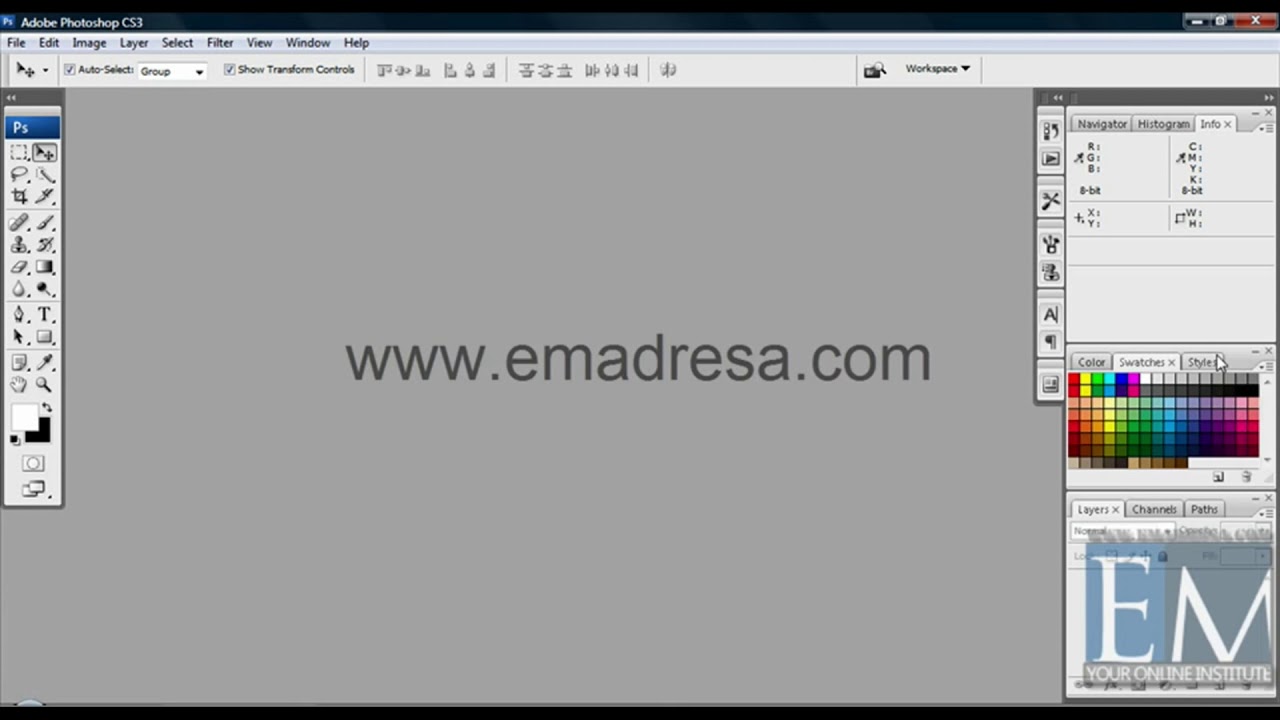
“Introduction to Photoshop’s Interface” – Introduction to Photoshop’s Interface offers a thrilling gateway into the world of digital creativity. As one of the most powerful tools for graphic design, understanding its interface is crucial for unleashing your full artistic potential. From the iconic toolbar to customizable workspaces, this exploration will guide you through every essential element that makes Photoshop a favorite among professionals and enthusiasts alike.
Get ready to transform your creative journey as we delve into the intricacies of this dynamic software.
By grasping the fundamentals of Photoshop’s interface, you will not only navigate the platform with confidence but also unlock a myriad of possibilities for your projects. Whether you are retouching photos, designing graphics, or creating digital art, the interface is your launchpad into the boundless universe of creativity. Let’s embark on this exciting adventure together!
In our rapidly evolving world, where the pace of life accelerates and the quest for efficiency becomes paramount, the art of storytelling emerges as a beacon of hope and connection. Imagine a realm where words possess the power to transcend barriers, inspire change, and ignite the imagination. This is the essence of creative writing—a craft that not only entertains but also educates and influences.
Creative writing is not merely an exercise in putting pen to paper or fingers to keys; it is a journey through the landscape of human experience, exploring the vast spectrum of emotions, ideas, and narratives. The beauty of creative writing lies in its ability to convey complex thoughts and feelings in ways that resonate with readers on a personal level.
It invites us to step into the shoes of others, to see the world through their eyes, and to experience the richness of life’s tapestry.One of the most compelling aspects of creative writing is its versatility. Whether through poetry, prose, or scripts, the possibilities are virtually limitless. Each form offers a unique lens through which to view the world. Poetry, with its rhythmic language and evocative imagery, has the power to capture fleeting moments and emotions, distilling them into their purest essence.
Prose, on the other hand, allows for a more expansive exploration of characters and settings, crafting immersive worlds that draw readers in and make them feel as if they are part of the story.Moreover, creative writing serves as a powerful tool for self-expression. In a society where conformity often reigns, the ability to voice one’s thoughts and feelings can be incredibly liberating.
Writers can channel their innermost thoughts, struggles, and triumphs into their work, creating a sanctuary where they can be truly authentic. This act of sharing one’s truth not only fosters personal growth but also connects us to others who share similar experiences or emotions.The impact of creative writing extends far beyond the individual. It has the potential to influence societal change by shedding light on pressing issues and presenting alternative perspectives.
Through storytelling, writers can challenge the status quo, provoke thought, and inspire action. For example, novels that address social justice, environmental concerns, or mental health can spark important conversations and encourage readers to rethink their views and behaviors. In this way, creative writing becomes a catalyst for transformation, urging readers to engage with the world around them in meaningful ways.As we traverse the realm of creative writing, it is essential to recognize the importance of honing one’s craft.
Writing, much like any other art form, requires practice, dedication, and a willingness to learn. Aspiring writers should embrace the process of experimentation, exploring different styles and techniques until they find their unique voice. Workshops, writing groups, and online resources can provide invaluable support and feedback, helping writers refine their skills and grow in confidence.In addition to technical proficiency, understanding the elements of storytelling is crucial.
A compelling narrative typically includes well-developed characters, a gripping plot, and an engaging setting. Characters should be multi-dimensional, with strengths and flaws that make them relatable and realistic. The plot should unfold in a manner that captivates the reader, incorporating conflict and resolution that keeps them turning the pages. Settings, too, play a vital role, as they provide context and atmosphere, enhancing the overall reading experience.Furthermore, embracing the power of imagery and sensory details can elevate writing to new heights.
By appealing to the senses, writers can create vivid scenes that linger in the reader’s mind long after they have turned the last page. Descriptive language can transport readers to distant lands, evoke emotions, and paint a picture that is as enchanting as it is memorable. As we reflect on the significance of creative writing, it becomes clear that its value is immeasurable.
It enriches our lives, fosters connections, and inspires change. In a world that often feels chaotic and disconnected, storytelling serves as a reminder of our shared humanity and the beauty of our diverse experiences. Whether you are a seasoned writer or someone just beginning to explore the craft, the journey of creative writing is one worth embarking upon.So, how does one begin this adventure?
Start by finding inspiration in the everyday moments of life. Observe the world around you—the laughter of children in the park, the quiet of a rainy afternoon, or the vibrant colors of a sunset. These moments can spark ideas and ignite your creativity. Keep a journal to capture your thoughts, dreams, and observations, allowing them to flourish into fully realized stories.Once you’ve gathered your ideas, set aside dedicated time for writing.
Create a comfortable space where you can immerse yourself in the process without distractions. Remember that writing is a journey, and it’s okay to take detours along the way. Embrace the twists and turns, for they often lead to unexpected discoveries and insights.As you write, don’t be afraid to embrace vulnerability. Share your stories with others, whether through blog posts, social media, or local writing events.
The feedback you receive can help you grow as a writer and build a community of fellow storytellers who inspire and support one another.In conclusion, creative writing is a powerful and transformative art form that enriches our lives and fosters connections among individuals. It allows us to explore the depths of our experiences, share our truths, and inspire change in the world around us.
So, pick up that pen or open your laptop, and let your creativity flow. The world is waiting for your unique voice, and the stories you have to tell may just change someone’s life—perhaps even your own.